
Quick Reference
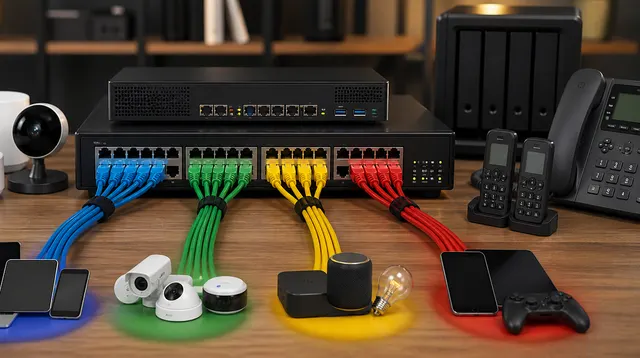
Guest Wi-Fi vs IoT VLAN: Isolation Without Breaking Everything
Use guest Wi-Fi for visitors and an IoT VLAN for explicit device rules, then test allowed and denied IPv4 and IPv6 paths; neither label proves isolation.
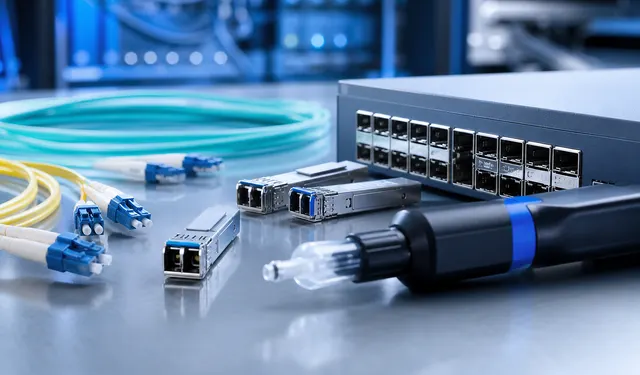
Fiber Optic Cables Explained: Structure, Distance, and Use Cases
Match fiber, optics, reach, connectors, and cable rating as a complete link, then inspect and measure losses; never look into an open fiber or optical port.
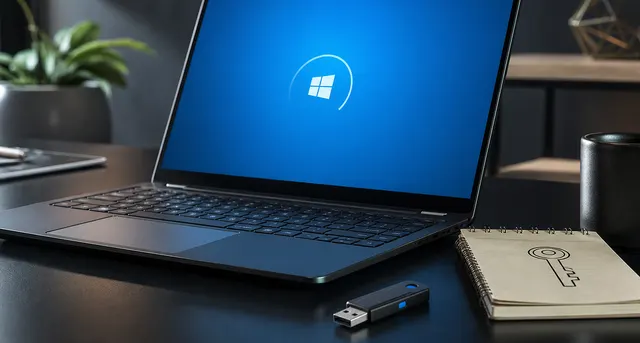
FileVault vs BitLocker: Full-Disk Encryption on Mac and Windows
Compare FileVault and BitLocker for data-at-rest protection, verifying device status, accessible recovery material, and an independent backup; encryption does not protect files in an unlocked session.
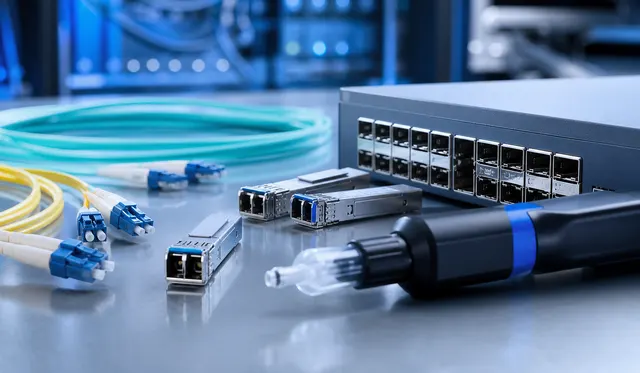
LC vs SC vs ST vs FC vs MPO/MTP: Fiber Connectors Explained
Fiber connectors must match the optic, patch panel, polish type, density requirement, and fiber mode. The shape alone is not enough.
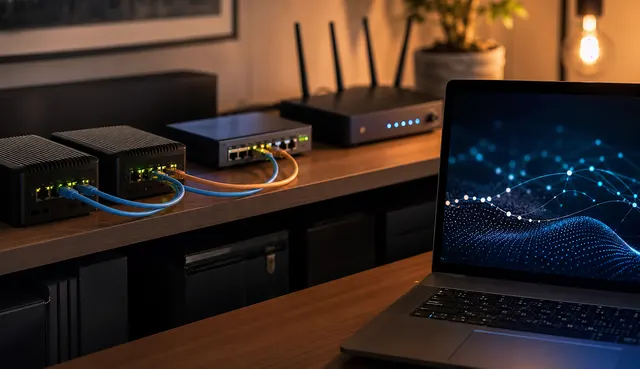
DHCP vs DNS: What Breaks When Each One Fails
Separate DHCP configuration faults from DNS lookup failures: inspect the client's address and gateway first, then test the configured resolver; a failed ping alone proves neither.
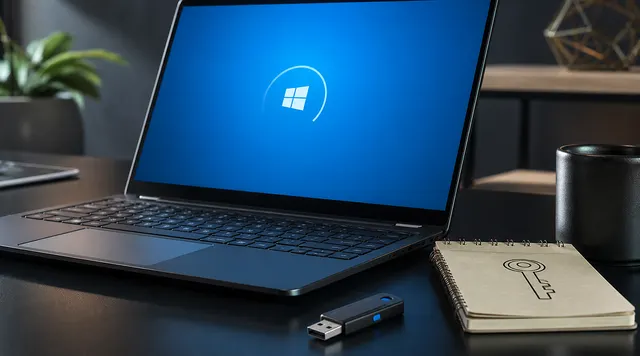
DISM vs SFC: Which Windows Repair Command Runs First?
DISM repairs the Windows component store. SFC checks and repairs protected system files. Run DISM first when the Windows image may be damaged.
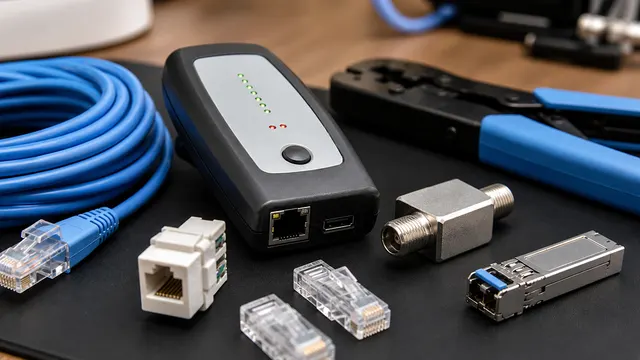
Cat5e vs Cat6 vs Cat6A: What To Buy and What To Avoid
Choose Cat5e, Cat6, or Cat6A by the intended link and installed-channel tests, checking terminations and pathway ratings; avoid copper-clad aluminum and unsupported marketplace category claims.
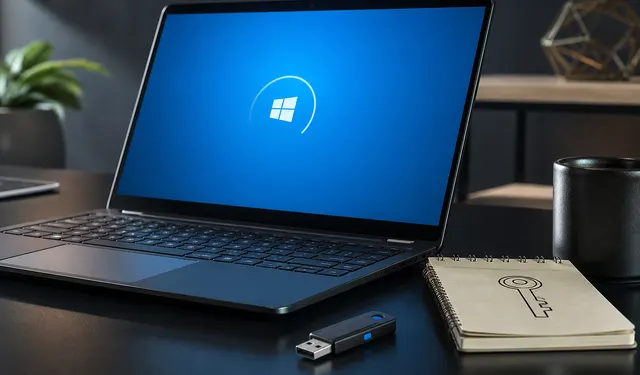
BitLocker Recovery Key Explained Before You Need It
Retrieve BitLocker recovery information before firmware or hardware changes; match the displayed key ID to its stored record, then use the associated 48-digit recovery password.
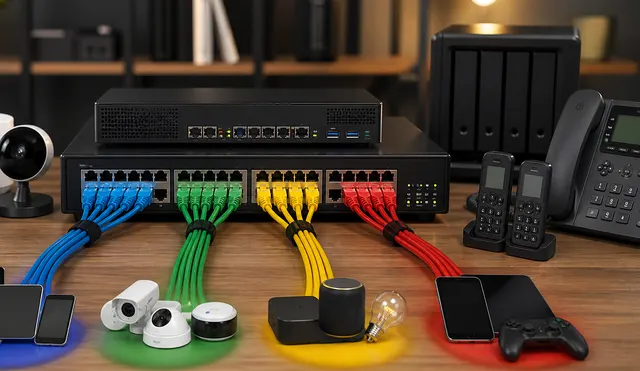
Access Port vs Trunk Port: VLAN Ports Explained
Use access ports for ordinary untagged endpoints and trunks for required tagged VLANs; match native-VLAN handling and allowed VLANs at both ends, then verify traffic and policy.
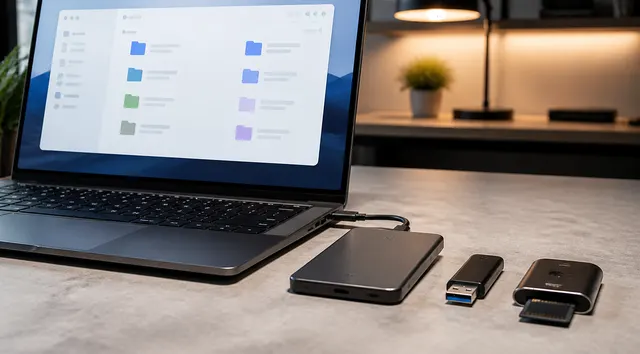
APFS vs exFAT vs NTFS: Mac and Windows Drive Formats Explained
APFS is the modern Mac format, exFAT is the practical Mac/Windows removable-drive format, and NTFS is the Windows-native format.