
Quick Reference
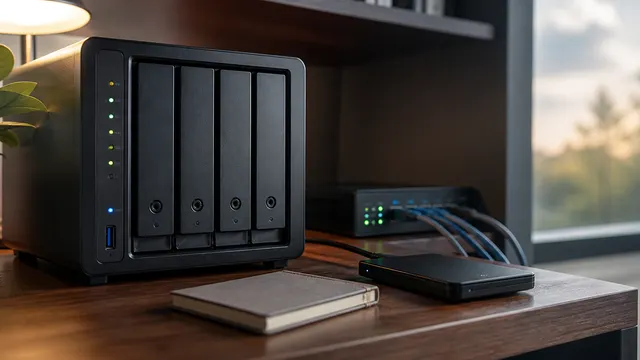
Time Machine vs iCloud Drive: Backup vs Sync
Use iCloud Drive for synchronization and a separate backup system for recovery history; verify cloud-only files are covered and test restoration before erasing a Mac or backup disk.
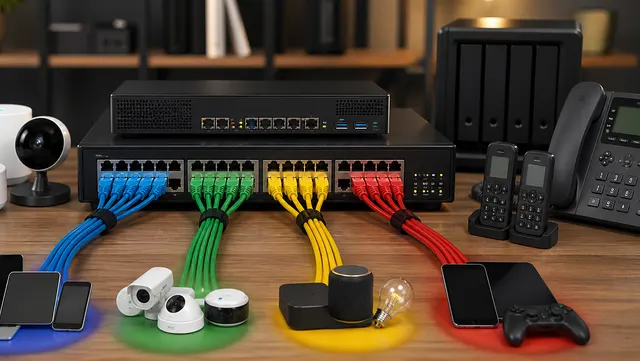
VLAN vs Subnetting: Why They Work Better Together
VLANs separate Layer 2 broadcast domains. Subnets organize Layer 3 IP networks. Most practical designs use one subnet per VLAN.
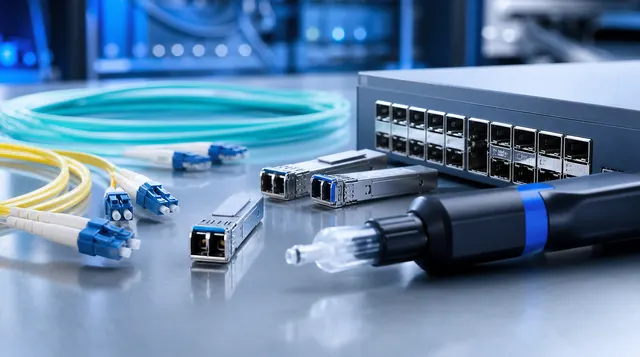
Single-Mode vs Multi-Mode Fiber: Which One Should You Run?
Choose single-mode or multimode fiber from the exact optics, application reach, loss budget, and installation route; neither mode or jacket color guarantees future compatibility or a working link.
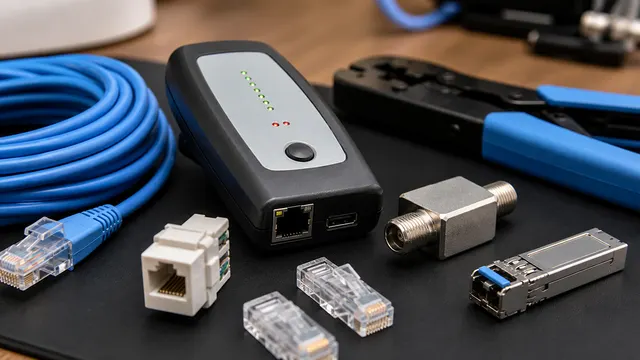
SFP, SFP+, SFP28, QSFP, and QSFP-DD Explained
Transceiver modules connect network equipment to fiber, DAC, AOC, or copper media. Match speed, port type, connector, distance, and vendor support.
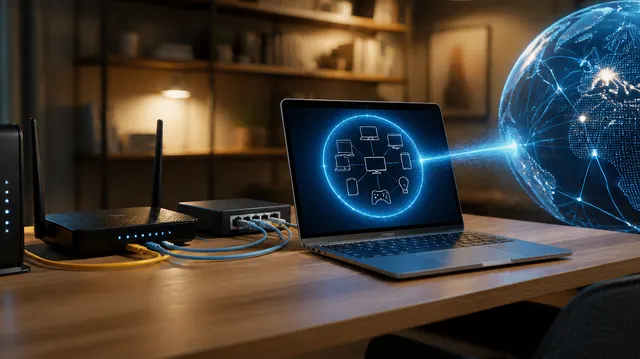
Router vs Switch vs Access Point: What Each Box Actually Does
Routers move traffic between networks, switches connect wired devices on a network, and access points provide Wi-Fi access to that network.
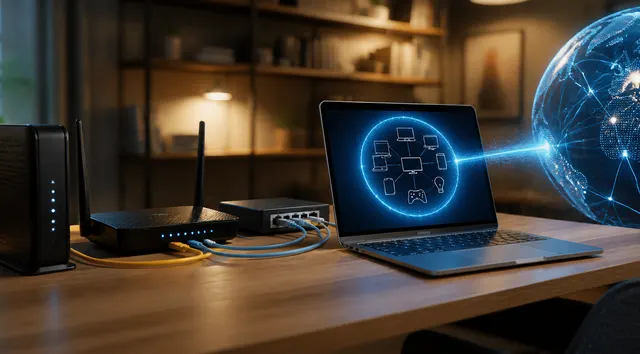
Public IP vs Private IP: What Your Router Is Hiding
Public addressing supports global routing, not guaranteed reachability; compare the router's WAN address with the observed external address and check upstream NAT, VPNs, IPv6, and firewall policy separately.
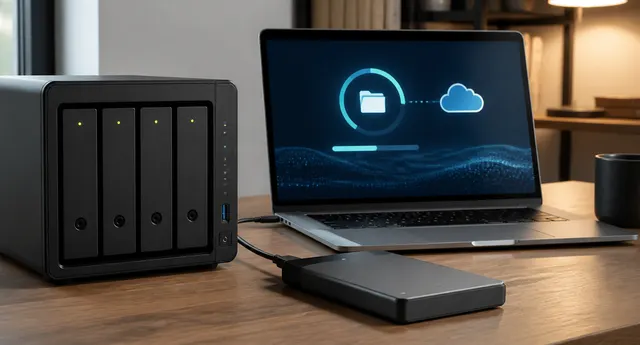
RAID vs Backup: What Each One Protects
Redundant RAID can preserve availability through specified drive failures, while independent backups preserve recovery history; RAID 0 has no redundancy, and neither array health nor copy status proves restoration.
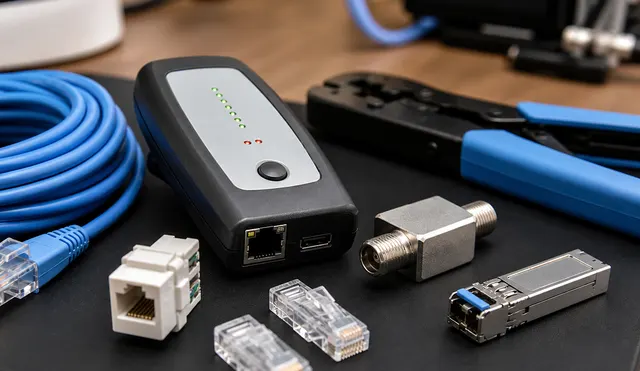
PoE vs PoE+ vs PoE++: Why Cameras and APs Reboot
Power over Ethernet sends power and data over one cable. The standard, switch budget, cable quality, and device draw all matter.
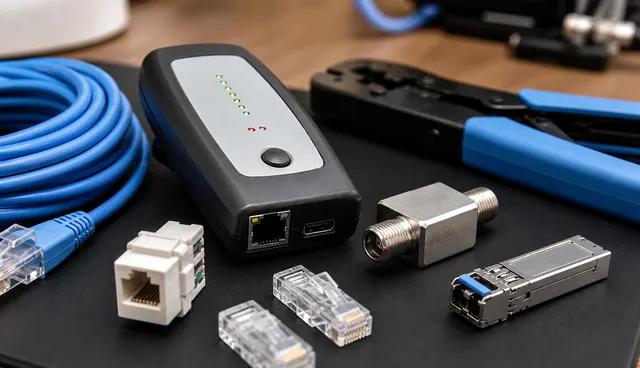
Patch Panel vs Switch: What Belongs in the Rack
A patch panel terminates and organizes cables. A switch forwards network traffic. They work together but do completely different jobs.
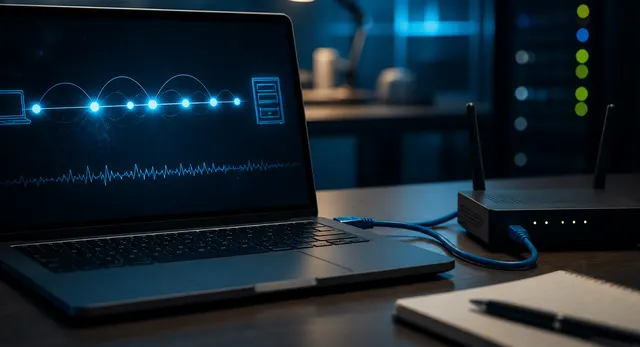
Ping vs Tracert/Traceroute: Reachability vs Path Troubleshooting
Use ping for ICMP reachability and round-trip time, and traceroute for answering probe hops; compare actual application behavior before treating silence or an intermediate delay as failure.