
Networking
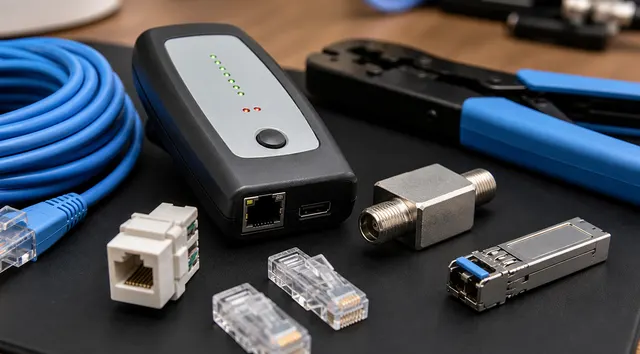
Cat6 vs Cat6A in 2026: What to Run, What to Avoid, and When Fiber Makes Sense
A practical home cabling guide for Cat6, Cat6A, DAC, multimode fiber, single-mode fiber, PoE, and what to avoid in walls.
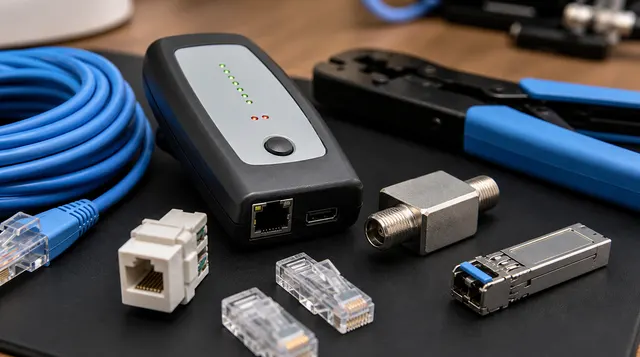
MoCA Explained: Wired Networking Over Your Home's Existing Coax
A practical MoCA guide for turning existing coax into Ethernet-style wired backhaul for APs, consoles, PCs, and streaming devices.

Mesh vs Wired Access Points: The Home Network Decision Tree
A practical decision tree for choosing mesh Wi-Fi, wired access points, MoCA backhaul, and PoE APs in a real home network.

Private DNS for Homelabs Without Leaking Internal Services
Plan private homelab naming with home.arpa or an owned domain, split DNS, VPN resolution, and certificate choices, then check public records and recovery from each client network.
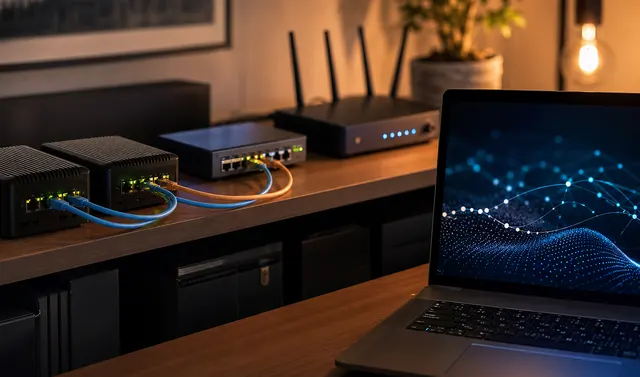
Home DNS Without a Single Point of Failure: Pi-hole, AdGuard Home, and Technitium
Design Pi-hole, AdGuard Home, or Technitium DNS around consistent records, independent resolver failure domains, and client failover tests, with a documented recovery path before changing DHCP.

Nginx Proxy Manager vs Caddy vs Traefik: A Reverse Proxy Decision Tree
A reverse proxy decision tree for homelabs: when to pick Nginx Proxy Manager, Caddy, Traefik, or raw NGINX.
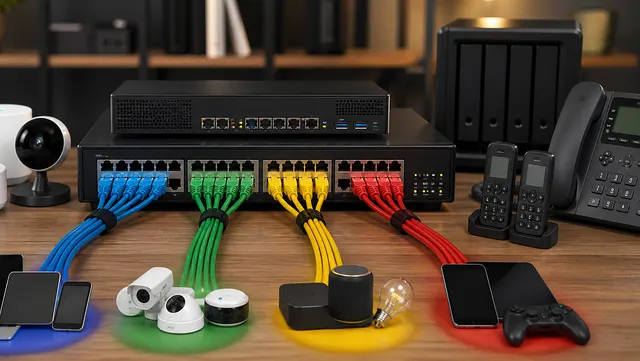
VLAN vs Subnetting: Why They Work Better Together
VLANs separate Layer 2 broadcast domains. Subnets organize Layer 3 IP networks. Most practical designs use one subnet per VLAN.
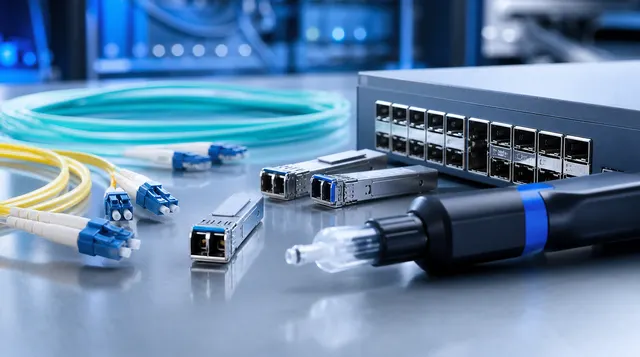
Single-Mode vs Multi-Mode Fiber: Which One Should You Run?
Choose single-mode or multimode fiber from the exact optics, application reach, loss budget, and installation route; neither mode or jacket color guarantees future compatibility or a working link.
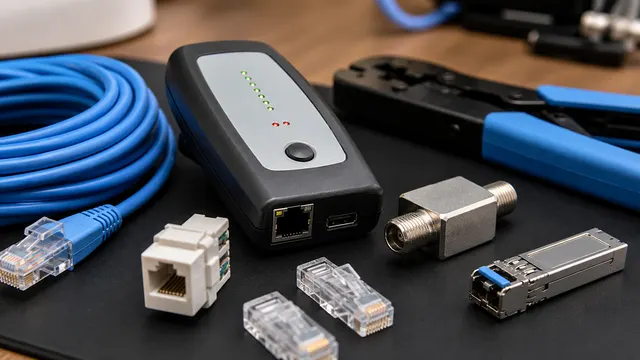
SFP, SFP+, SFP28, QSFP, and QSFP-DD Explained
Transceiver modules connect network equipment to fiber, DAC, AOC, or copper media. Match speed, port type, connector, distance, and vendor support.

Router vs Switch vs Access Point: What Each Box Actually Does
Routers move traffic between networks, switches connect wired devices on a network, and access points provide Wi-Fi access to that network.