
Networking
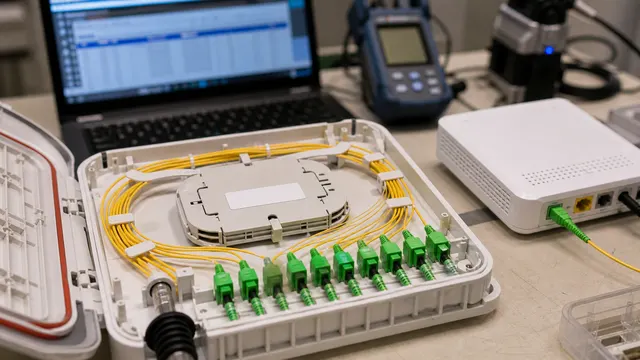
Can Fiber Internet Be Wiretapped? What the 2026 GPON Research Proves
A detailed, evidence-backed explanation of the 2026 gpwn research: how shared GPON downstreams work, what the researchers demonstrated, what remains unproven, and what subscribers and ISPs should do.
Philippine 3G Shutdown Audit For Every Branch Device
Audit branch modems, alarms and payment devices by carrier, location and actual voice, SMS or data use. Verify the applicable shutdown schedule and test replacements before removing the existing cellular path.

Build a Private RAG Box for Network Docs
A private RAG guide for network documentation, configs, diagrams, NetBox exports, runbooks, embeddings, vector search, citations, and evals.
OpenWrt 24.10.8 and 25.12 Migration Runbook: Patch, Backup, Sysupgrade, and Recovery
An OpenWrt router upgrade runbook for patching exposed services, preserving config, checking device support, testing DHCP, Wi-Fi, DNS, and keeping recovery ready.
October 2026 DNSSEC Root Key Rollover: Test Your Resolver Now
Check DNSSEC trust-anchor state, signed and deliberately broken responses, and isolated resolver recovery before the root key rollover. Ordinary DNS resolution alone does not establish readiness.
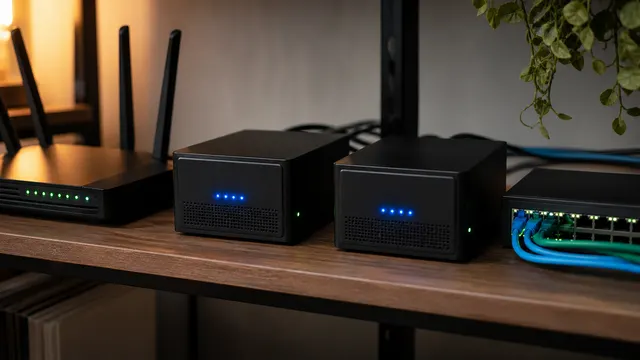
DNS Drift: Why Your Router, Browser, VPN, and Phone Use Different Resolvers
A detailed DNS audit for home networks and homelabs where router DHCP, browser Secure DNS, VPN clients, IPv6, and mobile Private DNS do not agree.

Plex vs Jellyfin Remote Streaming: The Tradeoffs That Matter at Home
Compare Plex and Jellyfin remote streaming by account friction, real client playback, network path, privacy, transcoding, and recovery burden.
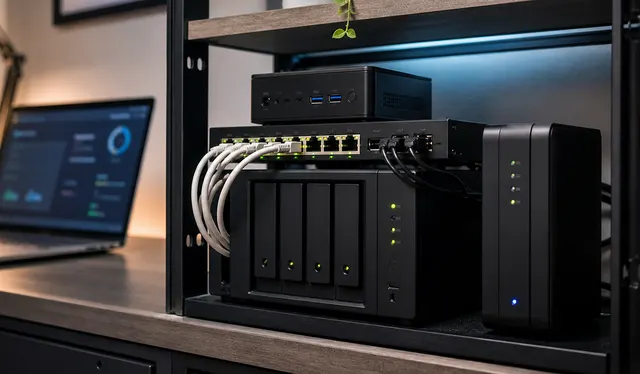
The 2026 Self-Hosted Starter Stack: A Proposed Design
A pragmatic 2026 self-hosted starter stack: host OS, Docker Compose, DNS, remote access, reverse proxy, backups, monitoring, and daily-driver apps.
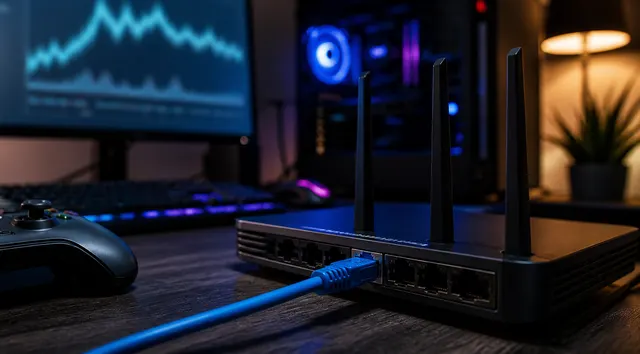
Bufferbloat for Gamers: Why More Mbps Does Not Fix Ping Spikes
A gamer-friendly bufferbloat guide explaining latency under load, SQM, CAKE/FQ-CoDel, and why more bandwidth does not always fix ping spikes.
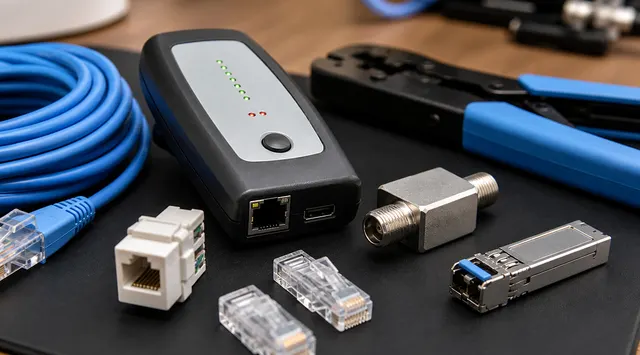
Why Your Gigabit Ethernet Is Stuck at 100 Mbps
A practical troubleshooting flow for gigabit Ethernet links negotiating at 100 Mbps because of cables, ports, terminations, or hidden old devices.