
July 2026
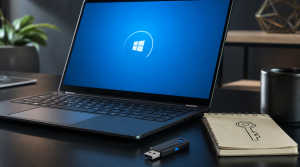
DISM vs SFC: Which Windows Repair Command Runs First?
DISM repairs the Windows component store. SFC checks and repairs protected system files. Run DISM first when the Windows image may be damaged.
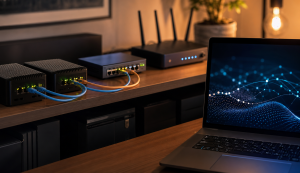
DHCP vs DNS: What Breaks When Each One Fails
DHCP gives devices network settings. DNS turns names into addresses. Knowing the difference fixes a huge number of home and office network problems.
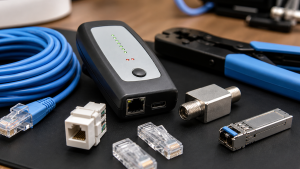
Cat5e vs Cat6 vs Cat6A: What To Buy and What To Avoid
Cat5e is often enough for 1GbE and 2.5GbE. Cat6 is a practical home default. Cat6A is the safer 10GbE long-run choice.
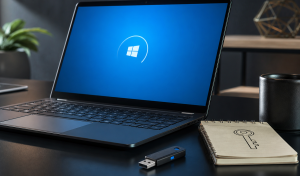
BitLocker Recovery Key Explained Before You Need It
Know where your BitLocker recovery key is before firmware, TPM, boot, recovery, or hardware changes force recovery.
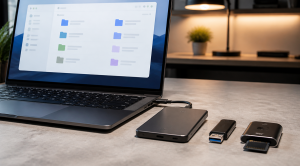
APFS vs exFAT vs NTFS: Mac and Windows Drive Formats Explained
APFS is the modern Mac format, exFAT is the practical Mac/Windows removable-drive format, and NTFS is the Windows-native format.
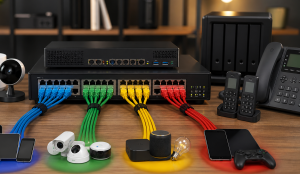
Access Port vs Trunk Port: VLAN Ports Explained
Access ports carry one normal endpoint VLAN. Trunk ports carry multiple tagged VLANs between switches, routers, firewalls, and access points.
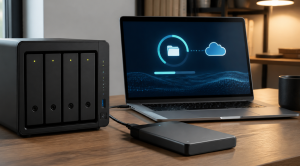
3-2-1 Backup Rule Explained for Real Homes
The 3-2-1 rule means three copies, two media or systems, and one offsite copy. The real test is whether you can restore.

2.4 vs 5 vs 6 GHz Wi-Fi: Which Band to Use
2.4 GHz reaches farther but is crowded. 5 GHz is the normal performance band. 6 GHz is clean and fast when devices support it.
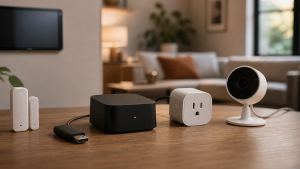
Home Assistant Local Voice Control: Build a Private Voice Assistant That Actually Works
Home Assistant can run voice control locally, but the best setup depends on whether you want easy commands, full speech recognition, DIY satellites, or a hybrid cloud fallback.
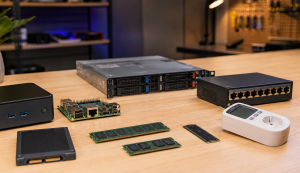
Orange Pi 6 vs Raspberry Pi 5 for Homelab: Powerful Hardware, Real Tradeoffs
Orange Pi 6 brings dual 2.5GbE, dual NVMe, LPDDR5, and serious AI claims to a tiny board, but software support and total cost decide whether it belongs in your homelab.