
July 2026

Router vs Switch vs Access Point: What Each Box Actually Does
Routers move traffic between networks, switches connect wired devices on a network, and access points provide Wi-Fi access to that network.
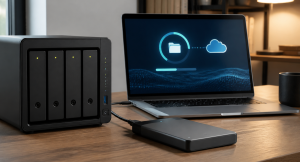
RAID vs Backup: What Each One Protects
RAID can keep a system running through some drive failures. Backup helps you recover from deletion, corruption, ransomware, theft, fire, and bad changes.

Public IP vs Private IP: What Your Router Is Hiding
Public IP addresses are reachable on the internet. Private IP addresses are reused inside local networks and usually sit behind NAT.
PoE vs PoE+ vs PoE++: Why Cameras and APs Reboot
Power over Ethernet sends power and data over one cable. The standard, switch budget, cable quality, and device draw all matter.

Ping vs Tracert/Traceroute: Reachability vs Path Troubleshooting
Ping checks reachability and latency. Traceroute shows the path packets take. Both can mislead if ICMP is filtered or deprioritized.
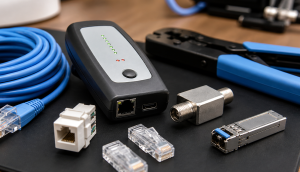
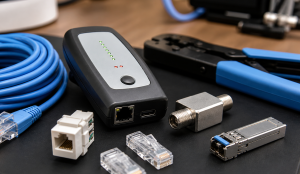
Patch Panel vs Switch: What Belongs in the Rack
A patch panel terminates and organizes cables. A switch forwards network traffic. They work together but do completely different jobs.

Password Manager vs Browser Passwords
Browser password storage is convenient. A dedicated password manager gives better cross-platform control, sharing, and recovery planning.

NTFS vs exFAT vs FAT32: Which Format Should You Use?
NTFS is best for Windows internal drives, exFAT is best for cross-platform removable drives, and FAT32 is mostly for older devices and boot media requirements.

NAT vs Routing: What Happens When Traffic Leaves Your LAN
Routing decides where packets go. NAT rewrites addresses. Home networks usually use both, but they are not the same job.
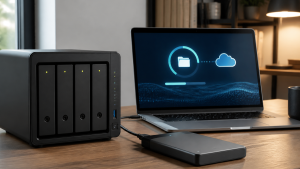
NAS vs DAS vs Cloud: Choosing Storage by Workflow
NAS shares storage over the network, DAS attaches directly to one computer, and cloud storage syncs or hosts data through a provider.