
NAS
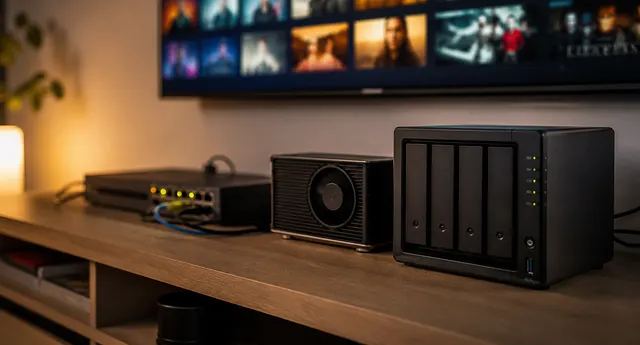
Plex in 2026: What Still Works Free
A practical guide to what Plex still does without Plex Pass, where Remote Watch Pass matters, and when free local streaming is enough.
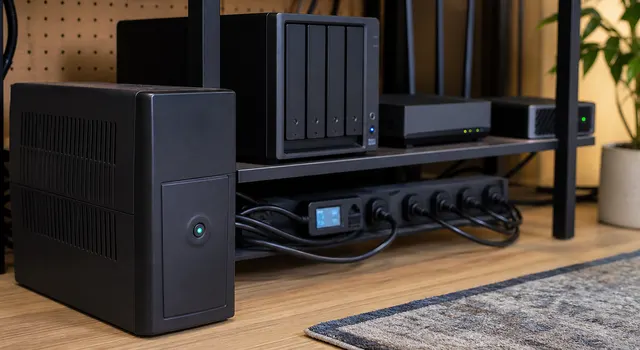
What Should Happen to Your Homelab During a Power Outage?
Plan outage shutdown by dependency: stop applications and VMs before their storage, and preserve the signaling network until shutdown finishes. Restart after stable power with networking and storage ready first.
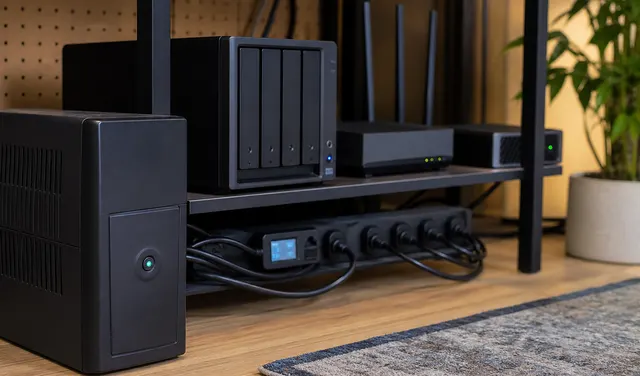
How Much Does a Homelab Really Cost in Electricity?
Estimate homelab electricity costs from representative energy use and the applicable tariff. Define the meter boundary so networking equipment, storage and UPS losses are counted once rather than overlooked or duplicated.
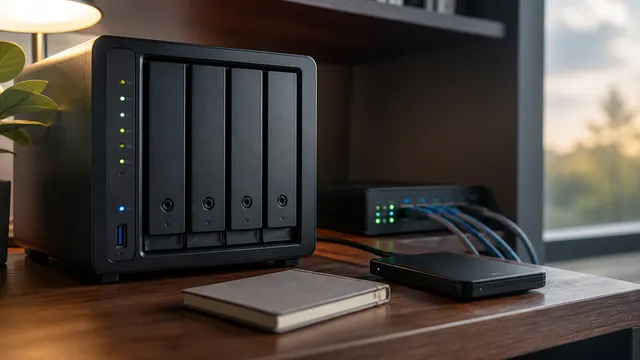
RAID, ZFS Snapshots, Sync, and Backup: What Each One Does Not Protect
Choose storage protection by failure mode: RAID for certain disk failures, snapshots for point-in-time state, sync for current changes and independent backups for recovery. Not every design needs all four.
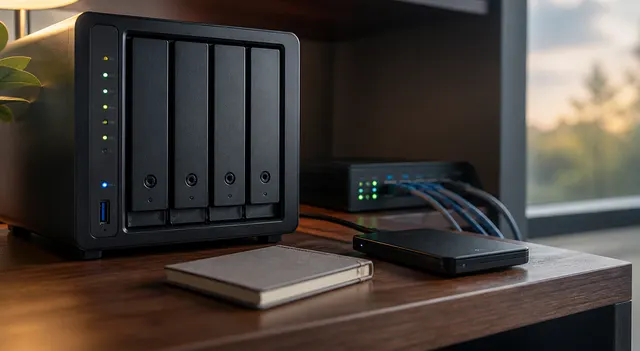
How to Build Cheap Offsite Backup at a Friend or Family Member's House
Plan encrypted offsite backups at a consenting household through a private tunnel, with agreed transfer limits and independently stored keys. Test recovery over the real connection; encryption alone does not prevent deletion.
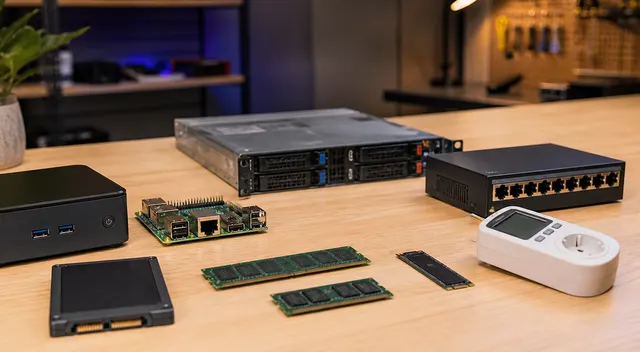
2.5GbE vs 10GbE: Which Home Network Upgrade Is Worth It?
Keep existing Ethernet when it meets the workload. Compare 2.5GbE and 10GbE against measured client, storage and uplink bottlenecks, then check exact cabling, port support and cooling before buying.
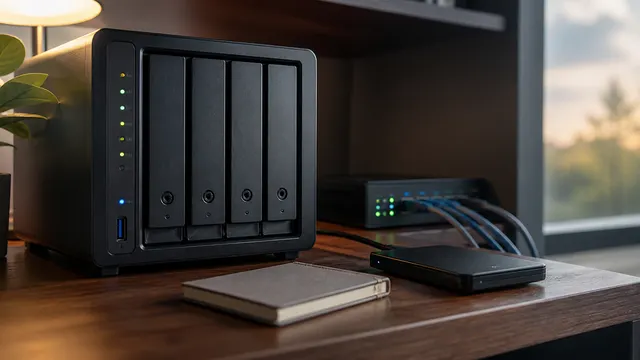
NAS vs DAS vs Mini PC: Which Storage Setup Should You Actually Buy?
A practical storage decision guide for choosing a NAS, DAS, or mini PC based on sharing, speed, apps, backup, and upkeep.
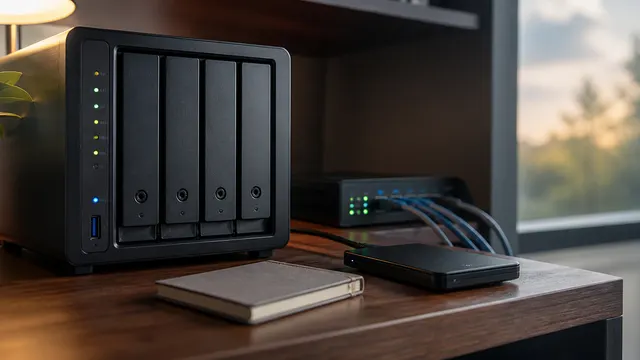
The 3-2-1 Backup Rule in 2026: Keep It, But Add Two Checks
Plan three data copies across separate storage and failure boundaries, with an offsite copy, protected backup credentials, and clean-location restore tests before relying on job status.
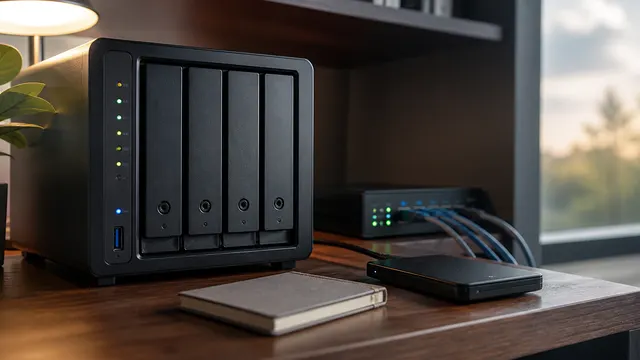
Back Up a Windows PC to a NAS Automatically
Choose File History for selected Windows files or a supported image-backup agent for system recovery, using a dedicated NAS share, restricted credentials, and tested recovery access.
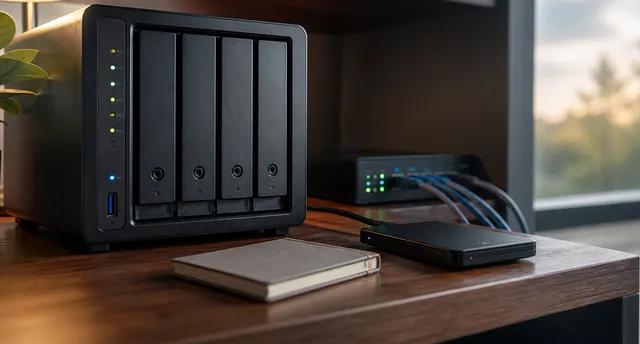
Is 2026 a Bad Time to Buy a NAS?
Decide whether a NAS purchase solves a documented storage need, comparing complete-system quotes, drive support, backup costs, and recovery requirements; no current price survey is provided.