
Backup
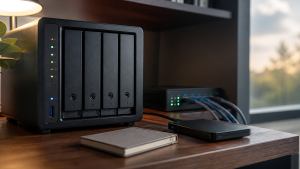
Time Machine vs iCloud Drive: Backup vs Sync
Time Machine is backup. iCloud Drive is sync and access. You usually want both, but they solve different problems.
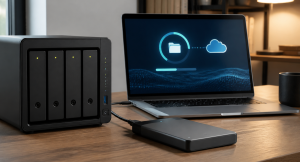
RAID vs Backup: What Each One Protects
RAID can keep a system running through some drive failures. Backup helps you recover from deletion, corruption, ransomware, theft, fire, and bad changes.
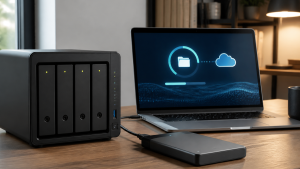
NAS vs DAS vs Cloud: Choosing Storage by Workflow
NAS shares storage over the network, DAS attaches directly to one computer, and cloud storage syncs or hosts data through a provider.
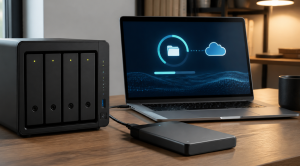
3-2-1 Backup Rule Explained for Real Homes
The 3-2-1 rule means three copies, two media or systems, and one offsite copy. The real test is whether you can restore.
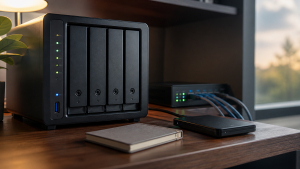
NAS vs DAS vs Mini PC: Which Storage Setup Should You Actually Buy?
A practical storage decision guide for choosing a NAS, DAS, or mini PC based on sharing, speed, apps, backup, and upkeep.
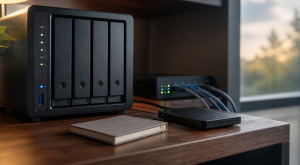
Google Drive Is Not a Backup: What It Protects, and What It Does Not
Google Drive is useful sync and sharing, but it is not a full recovery plan for deletion, ransomware, account loss, or bad sync events.
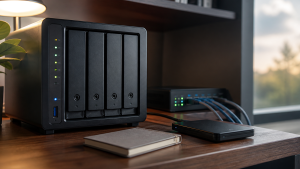
Back Up a Windows PC to a NAS Automatically
Set up automatic Windows backups to a NAS with the right method: file history, image backup, vendor agent, or a scripted archive.
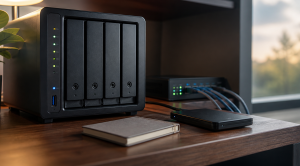
Syncthing vs Nextcloud vs Cloud Storage: Stop Using the Wrong Sync Tool
Syncthing, Nextcloud, and managed cloud drives solve different problems. Pick by sync model, sharing needs, trust, admin time, and backup plan.
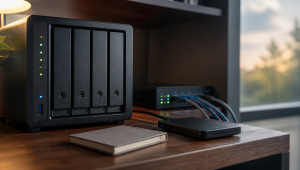
How Do You Back Up Docker Volumes and Databases Properly?
Back up Docker by backing up the data, configuration, and restore instructions, not the running container. For databases, use application-aware dumps or backup tools, then store those dumps with the volume backups.
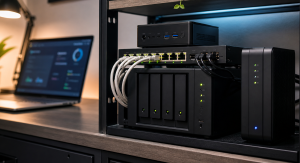
One Shared Database Server or One Database Per App?
For most small homelabs, a shared database server is easier to back up, monitor, and secure once you understand it. Per-app database containers are simpler at first and reduce coupling, but they.