
Cisco
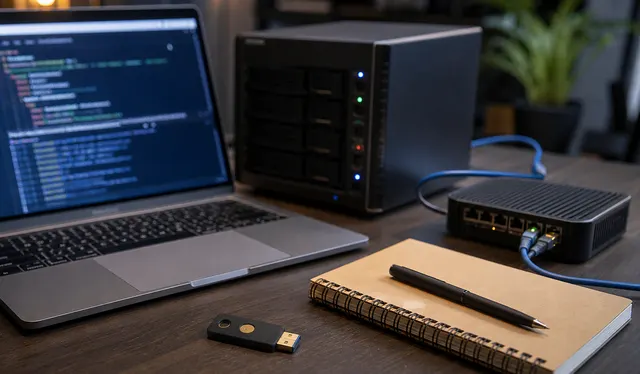
Securing a Self-Hosted AI Server
Keep Ollama's API private, control Open WebUI accounts and tools, protect documents and logs, and test denied access before sharing a self-hosted AI service.
WordPress Core Under Active Exploitation: Verify the Fix and Investigate Possible Compromise
Updating WordPress core is only the first step. Use this checklist to verify versions, checksums, users, cron, uploads, logs, WAF data, and rebuild criteria.
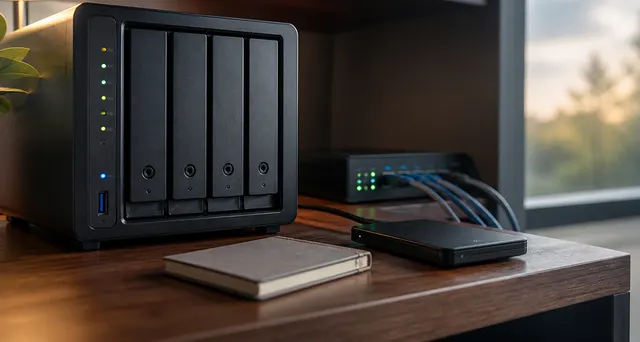
Immich as the De-Google Gateway: Great App, Serious Backup Responsibility
Plan an Immich photo service with protected originals, database backups, controlled access, and isolated restore tests before migrating the family archive; mobile synchronization alone is not a backup.
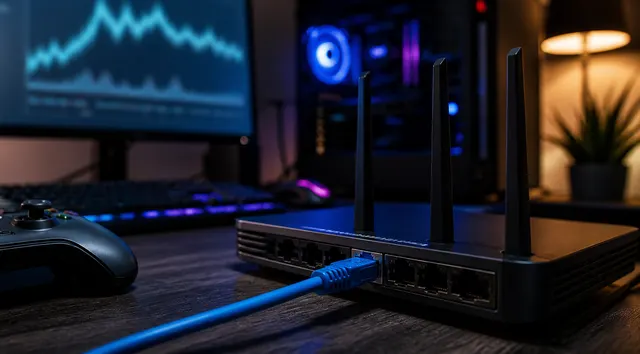
Bufferbloat for Gamers: Why More Mbps Does Not Fix Ping Spikes
A gamer-friendly bufferbloat guide explaining latency under load, SQM, CAKE/FQ-CoDel, and why more bandwidth does not always fix ping spikes.
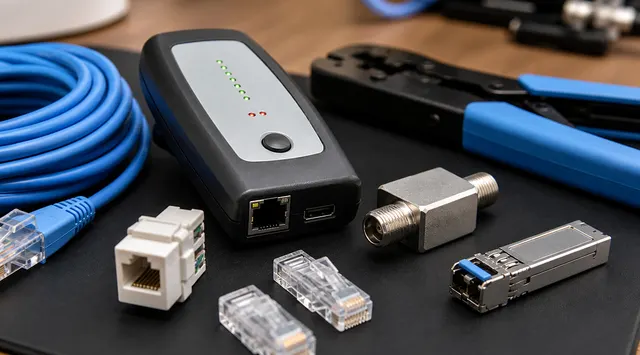
Why Your Gigabit Ethernet Is Stuck at 100 Mbps
A practical troubleshooting flow for gigabit Ethernet links negotiating at 100 Mbps because of cables, ports, terminations, or hidden old devices.
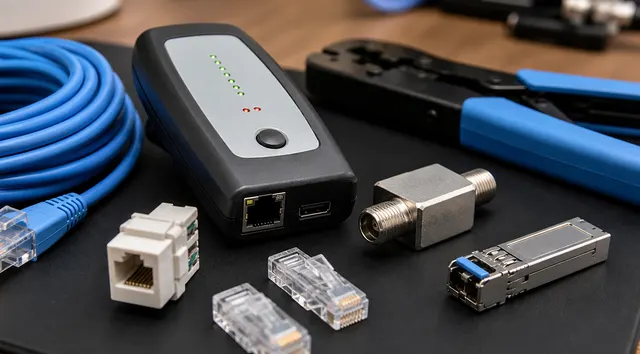
Cat6 vs Cat6A in 2026: What to Run, What to Avoid, and When Fiber Makes Sense
A practical home cabling guide for Cat6, Cat6A, DAC, multimode fiber, single-mode fiber, PoE, and what to avoid in walls.
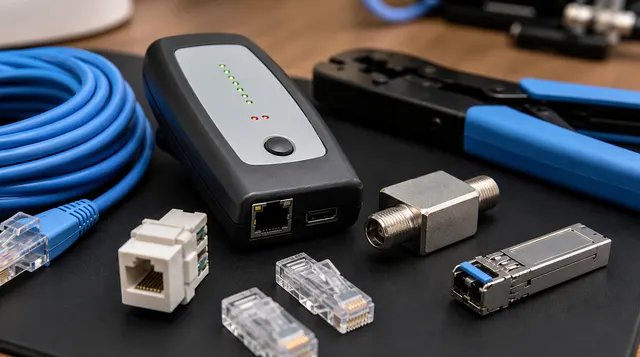
MoCA Explained: Wired Networking Over Your Home's Existing Coax
A practical MoCA guide for turning existing coax into Ethernet-style wired backhaul for APs, consoles, PCs, and streaming devices.

Mesh vs Wired Access Points: The Home Network Decision Tree
A practical decision tree for choosing mesh Wi-Fi, wired access points, MoCA backhaul, and PoE APs in a real home network.

Private DNS for Homelabs Without Leaking Internal Services
Plan private homelab naming with home.arpa or an owned domain, split DNS, VPN resolution, and certificate choices, then check public records and recovery from each client network.
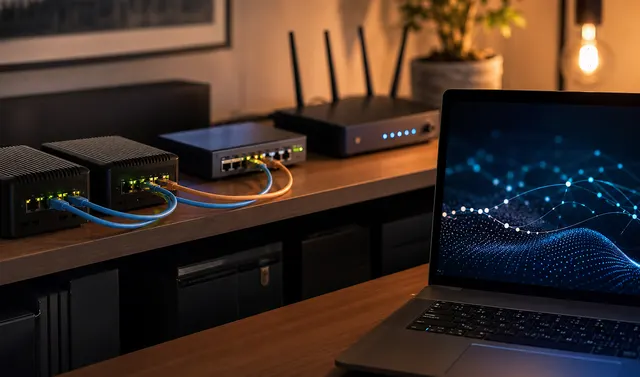
Home DNS Without a Single Point of Failure: Pi-hole, AdGuard Home, and Technitium
Design Pi-hole, AdGuard Home, or Technitium DNS around consistent records, independent resolver failure domains, and client failover tests, with a documented recovery path before changing DHCP.