
Monitoring
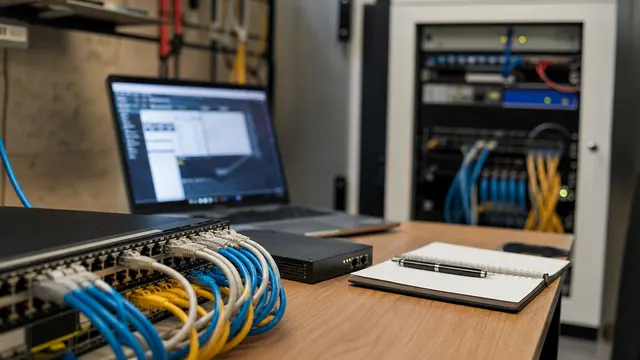
Small Office Monitoring: The 12 Checks That Catch Real Outages
A small-office monitoring guide covering WAN, DNS, DHCP, router health, captive portals, APs, PoE, UPS, local services, backups, and alerting.
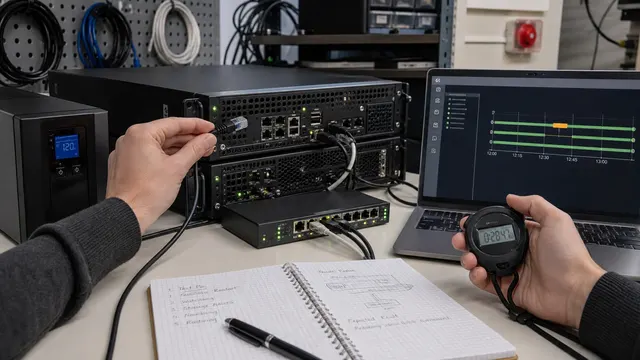
Linux Failure Injection Lab: Test systemd, Disk, DNS, and Recovery
Run bounded Linux failure-injection tests for systemd crashes, full and read-only filesystems, DNS and network loss, watchdogs, external alerts, rollback, and user-facing recovery without using production as the target.
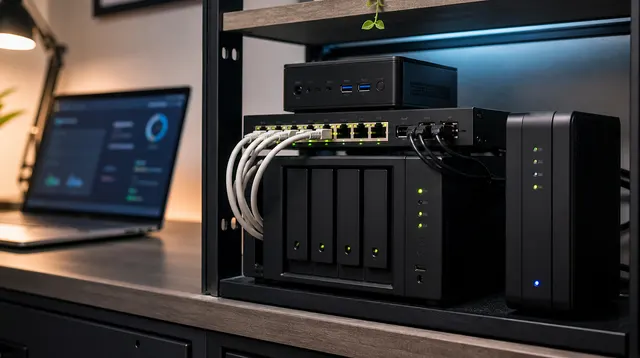
From Homelab Chatbot to a Private AI Operations Platform
Extend a local chatbot with document retrieval, bounded tools, monitoring, and backups only after defining permissions, ownership, failure behavior, and recovery; begin with read-only assistance.
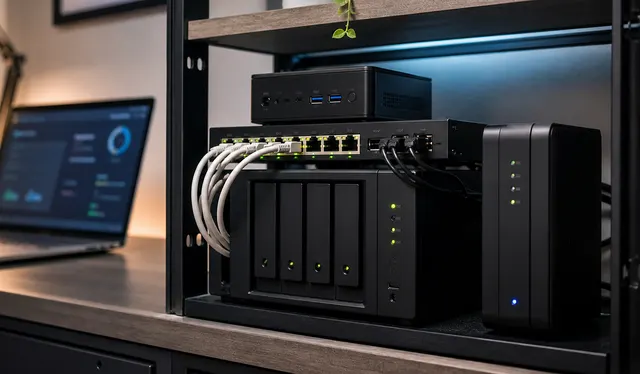
The 2026 Self-Hosted Starter Stack: A Proposed Design
A pragmatic 2026 self-hosted starter stack: host OS, Docker Compose, DNS, remote access, reverse proxy, backups, monitoring, and daily-driver apps.
How Seerr and Tracearr Fit Into a Plex, Arr, and Tdarr Homelab
Separate Seerr request approval, Arr imports, Tdarr processing, and Tracearr playback analytics, then validate one authorized request-to-playback path with manual approvals and alert-only monitoring.
Tracearr Setup Guide for Plex, Jellyfin, and Emby Monitoring
Deploy Tracearr with Docker, connect Plex, Jellyfin, or Emby, validate live sessions and alert-only rules, and preserve a recoverable monitoring history.
What Should You Monitor in a Homelab?
Monitor failures that affect household service or recovery, with an owner and response for each alert. Test notification and recovery paths that remain usable when the monitored system or network fails.
Monitoring and Health Checks for a Plex and Arr Homelab
Build useful health checks for a Plex and Arr homelab: storage mounts, imports, transcoding capacity, certificates, backups, queues, and daily reports.