
Networking
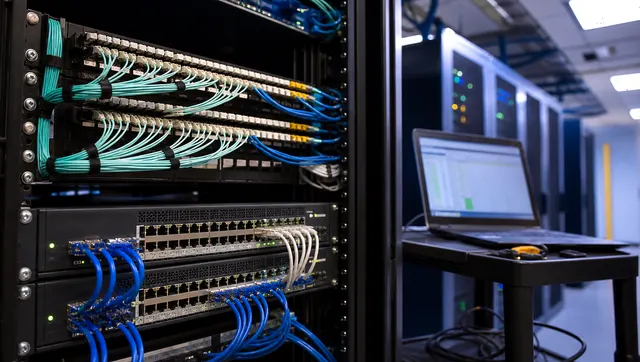
EVPN/VXLAN Lab First: Build a Cisco IOS XE Fabric Before Touching Production
Plan EVPN/VXLAN tests only after confirming the exact Cisco platform and image support the required features. Validate underlay, overlay and denied paths separately, with representative hardware checks before production.
From Digital Twin to Change Window: A Safe Network CI/CD Workflow
A network CI/CD workflow showing how to move from intent and digital twin validation to reviewed change windows, rollback, and post-change evidence.
Network Source of Truth Before AgenticOps: NetBox, Nautobot, and Intent Data
A practical source-of-truth guide for preparing NetBox, Nautobot, and intent data before AI-assisted network automation.

RPKI, IRR, and ROA MaxLength: Routing Hygiene for Enterprises That Own Prefixes
A routing-hygiene guide for enterprises that announce public prefixes, covering RPKI ROAs, IRR objects, ROA maxLength risk, and provider turn-up checks.

Fix Sticky Wi-Fi Clients: 802.11k/v/r, Minimum RSSI, and Roaming Tests
A practical sticky-client Wi-Fi guide: AP placement, transmit power, 802.11k/v/r, minimum RSSI, Apple behavior, controller settings, and roaming tests.
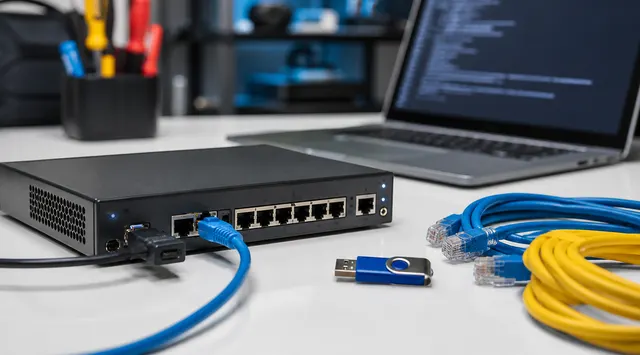
RouterOS Device Mode Can Silently Disable PisoWiFi HotSpot
Inspect RouterOS device mode and HotSpot's inactive reason before rebuilding a PisoWiFi portal. Preserve feature overrides, paid-session records and local recovery before any physically confirmed, rebooting mode change.
DNS Privacy vs DNS Filtering: Stop Mixing Up the Jobs
A DNS guide explaining the difference between encrypted DNS, DNSSEC, Protective DNS, malware filtering, parental controls, and resolver bypass.
How to Audit Your Exposed Services
A practical exposure-audit guide for finding public ports, reverse proxies, tunnels, UPnP, IPv6 paths, vendor clouds, and forgotten services.
Evil Twin Wi-Fi on Planes and Hotels: How to Verify the Hotspot
A familiar SSID is not proof of a legitimate airline or hotel hotspot. Use this verification workflow, then learn what PMF, HTTPS, captive portals, and VPNs can and cannot protect.

Why MikroTik PCC Breaks HotSpot On Dual WAN
Understand MikroTik HotSpot's default-table limitation before applying PCC exclusions. Diagnose local routing separately from general load balancing, then plan portal, payment and WAN-failure checks against a known-working path.