
June 2026
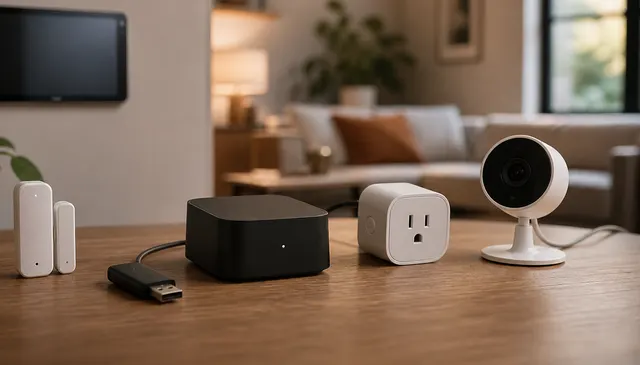
Matter in 2026: Buy, Wait, or Bridge?
Matter is useful now, but not universally better than native integrations or existing hubs. Decide when to buy native Matter gear, wait, or bridge what you own.

Mesh Is Not Always the Answer: How to Fix Bad Wi-Fi the Right Way
Mesh can fix coverage, but it can also add latency, burn airtime, and hide the real problem. Diagnose first, then choose the right fix.

Wi-Fi 7 and Wi-Fi 8 Buyer Guide: What Is Real, What Is Marketing
Wi-Fi 7 can be worth it, but only if clients, backhaul, ports, and spectrum support it. Wi-Fi 8 is not a 2026 shopping requirement.

The 2026 Travel Router Kit: Safer Hotel Wi-Fi Without Rebuilding Your Network
Prepare a travel router with updated firmware, a permitted captive-portal workflow, verified VPN and DNS settings, and an approved fallback before relying on hotel connectivity.
Malware-Blocking DNS at Home: Set Up Filtering and Check Its Limits
Pilot malware-filtering DNS with harmless provider tests, then check IPv6, browser, and VPN paths; only lookups reaching the intended resolver receive its filtering policy.
Fix DNS Once: Router vs PC vs Browser, and How to Stop Settings Fighting
Trace router, operating-system, browser, VPN, and IPv6 DNS paths separately, then change one policy layer at a time and verify actual application behavior with rollback available.
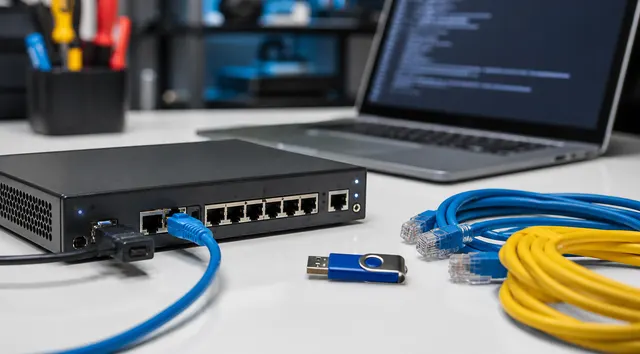
15 Router Security Settings to Audit Before Something Breaks
A practical home-router audit checklist for admin access, firmware, Wi-Fi security, guest networks, UPnP, WPS, and firewall validation.
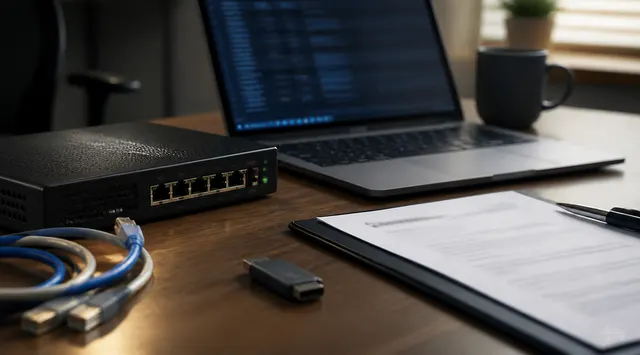
What Not to Self-Host in 2026: A Practical Risk List for Homelabs
A realistic self-hosting risk guide covering email, passwords, identity, family-critical data, public dashboards, backups, and safer alternatives.
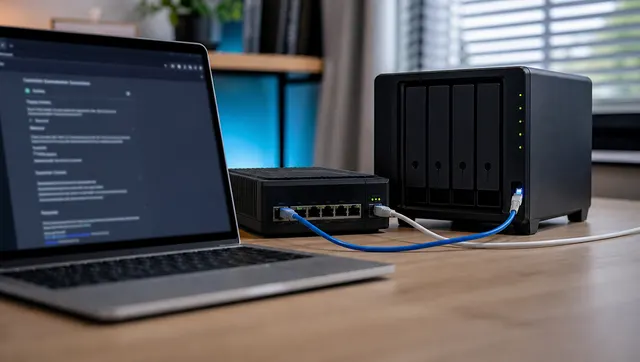
Reverse Proxy Setup Without Security Mistakes: HTTPS for Homelab Apps
A security-first reverse proxy setup guide for homelab services, covering DNS, TLS, access controls, logging, updates, and what not to expose.
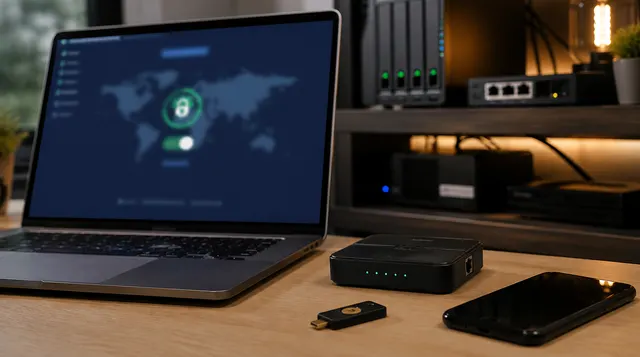
Remote Access Without Opening Router Ports: Safer Homelab Access With Tailscale and Cloudflare Tunnel
Reach homelab services remotely with tailnets, tunnels, access policies, DNS, MFA, and clear rules for what should stay private.