
June 2026
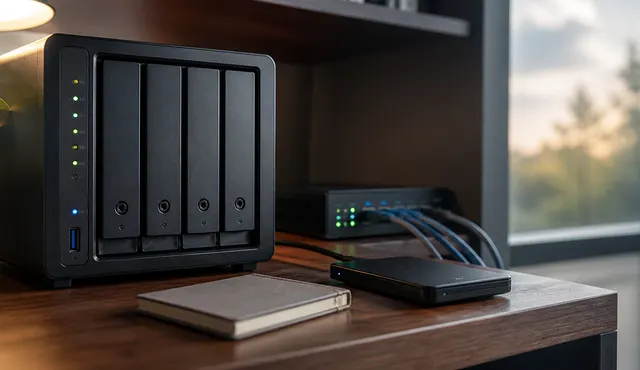
Homelab Backup Strategy: NAS, Offsite Copies, and Restore Tests
A practical homelab backup strategy covering 3-2-1 design, NAS backups, offsite copies, immutable or offline protection, and restore drills.
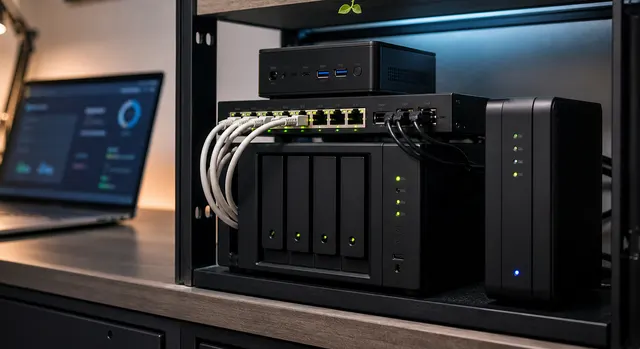
Should Old Windows 10 PCs Become Proxmox or Linux Homelab Nodes?
Repurpose an older PC only after matching storage, memory, networking, support, power and recovery to a named workload. Protect authorized data before wiping, and prove off-host restoration before moving household infrastructure.

How Do You Recover From Losing TOTP, Passkeys, or Password Vault Access?
If account access is lost, preserve working sessions and use enrolled recovery methods from a trusted device. Follow the provider's official process without assuming recovery is guaranteed, then establish an independent fallback.

Quick Sync vs NVIDIA vs Intel Arc for Plex and Jellyfin Transcoding
Choose Quick Sync, NVIDIA, or Intel Arc from current codec support, driver and container fit, tone mapping, power, and measured concurrent demand.

How Do You Run Security Cameras Locally Without Cloud Dependency?
Evaluate the exact camera and recorder combination for local recording, viewing and export. Check power, isolation and retention, then test WAN loss without assuming RTSP or ONVIF guarantees every feature or offline login.

Home Assistant OS vs Docker vs VM: Which Install Is Right?
Choose Home Assistant OS for integrated management or Container for deliberately managed companion services. A VM is a hosting choice, not a third installation type; compare radio access, backups and recovery dependencies.
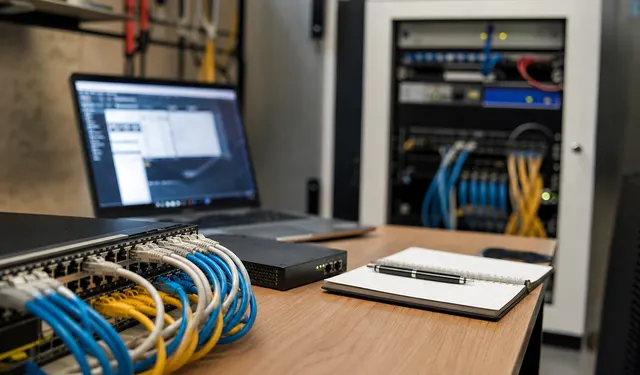
What Should You Monitor in a Homelab?
Monitor failures that affect household service or recovery, with an owner and response for each alert. Test notification and recovery paths that remain usable when the monitored system or network fails.
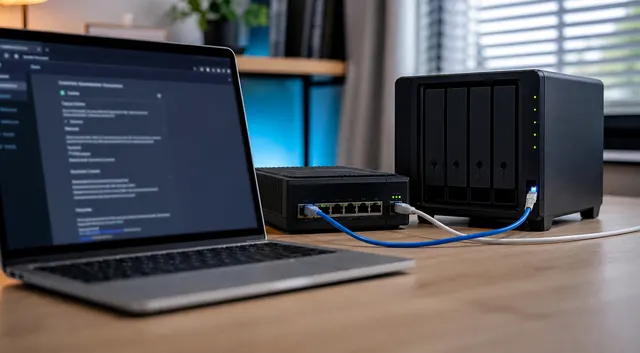
What Is the Safest Way to Expose One Self-Hosted App Publicly?
Keep a self-hosted app private when possible. If public access is necessary, limit its permissions, preserve private administration and test unauthorized and direct-origin requests as well as the intended login.
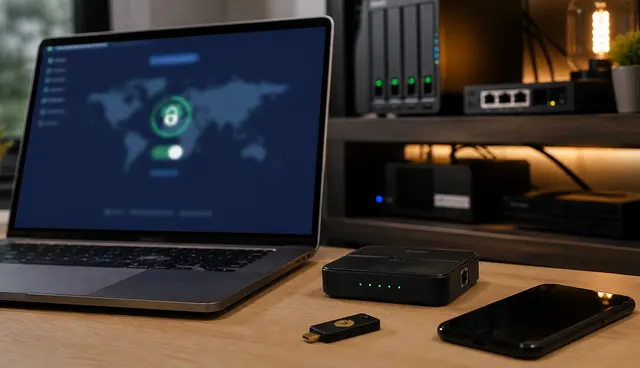
Cloudflare Tunnel vs Tailscale vs WireGuard vs NetBird: Which Remote Access Tool Fits?
Choose remote access by users, services and operating responsibility. Compare private overlays, managed or self-operated keys and published web paths, keeping authentication and authorization separate from the encrypted tunnel.
How Do You Make DNS Keep Working When the Internet Is Down?
Serve local names without depending on a public resolver, and plan resolver-host resilience separately from WAN resilience. Test real client paths while recognizing that local DNS cannot replace cloud authentication or uncached public answers.