
Security

Password Manager vs Browser Passwords
Compare browser, operating-system, and dedicated password managers by device support, sharing, and recovery needs; protect the sync account and treat exports as plaintext unless documented otherwise.

A Practical Post-Quantum Readiness Checklist for Network Teams
A practical checklist for network teams preparing for post-quantum cryptography: inventory, risk ranking, platform support, certificates, VPNs, secure boot, and refresh planning.
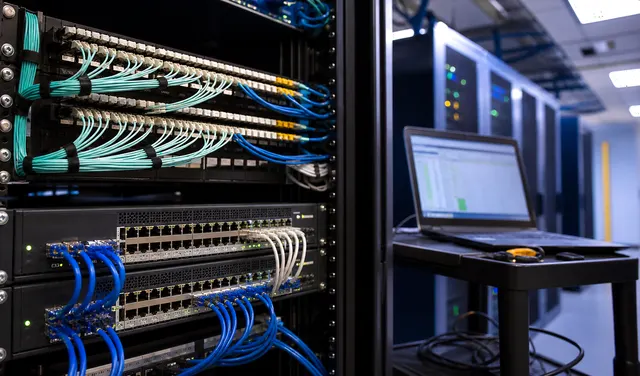
Resilience Planning for Cisco Networks: Patch, Shield, Replace, or Segment
A practical resilience model for Cisco networks should classify each exposure into patch, shield, replace, or segment, with owners, deadlines, and evidence.
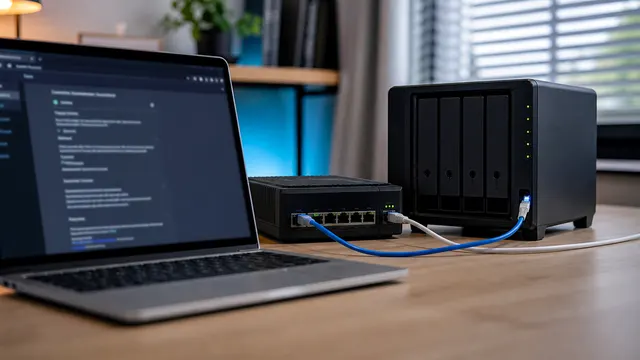
Reverse Proxy for Media Apps: Nginx Proxy Manager, SSL, Access Lists, and Security
A safer way to publish media-app hostnames with Nginx Proxy Manager, SSL, access lists, private defaults, logging, patching, and recovery boundaries.
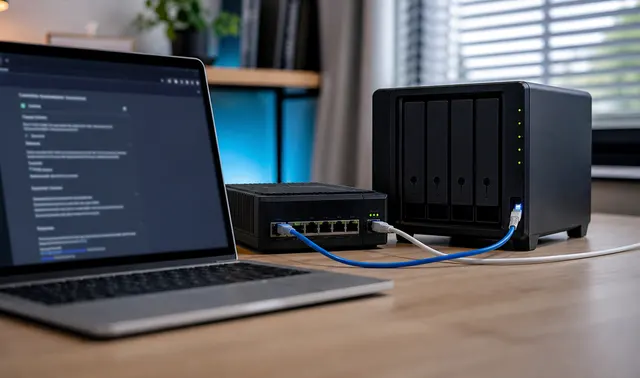
Homelab Reverse Proxy Guide: HTTPS Without Unsafe Exposure
A security-first reverse proxy guide for homelabs, covering DNS, TLS, app exposure, internal-only services, authentication, logging, and validation.
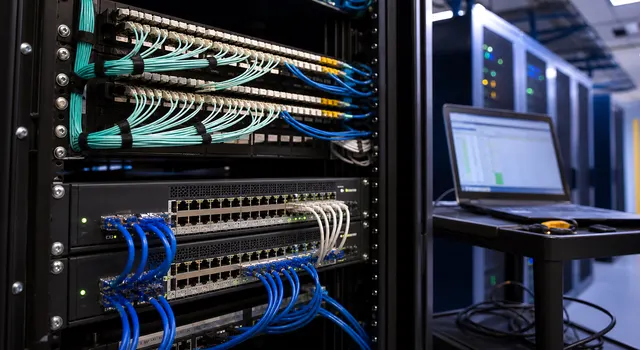
Post-Quantum Networking: What Cisco’s Quantum-Ready Push Means
Post-quantum networking is about inventory, crypto-agility, long-lived data risk, secure boot, VPNs, certificates, and refresh planning before the emergency arrives.
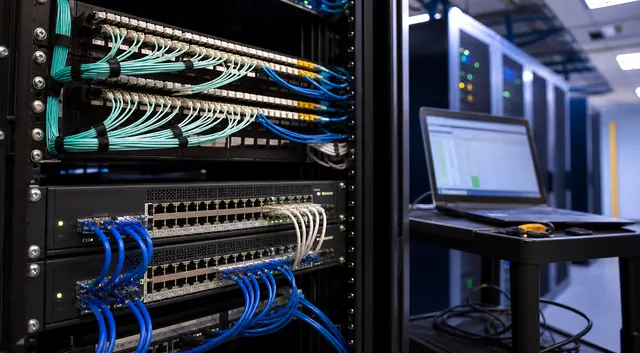
Designing Networks With DoD IL5 in Mind: Campus, Data Center, IT, and OT Security
How to design campus, data-center, IT, and OT networks that can support DoD IL5 mission systems without pretending a network alone is compliant.

Live Protect and Runtime Vulnerability Shielding for Network Infrastructure
Assess Cisco Live Protect only for supported platforms, releases, and vulnerabilities, with monitoring and rollback while permanent fixes are tested; runtime shielding does not replace patching.
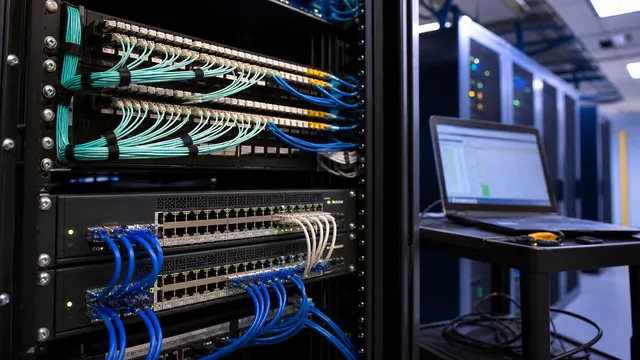
Cisco Secure Access: Where SSE, ZTNA, SD-WAN, and AI Security Meet
A practical look at Cisco Secure Access, SSE, ZTNA, Meraki SD-WAN integration, AI application control, and how to design a migration away from legacy VPN assumptions.