
Plex
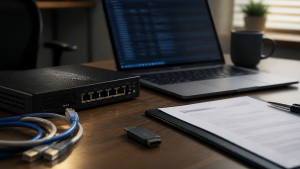
Your Media API Key Is in access.log: Find It, Redact It, and Rotate ItNew!!
Media API keys often leak through URLs, proxy logs, browser history, and support bundles. This guide shows where to look and how to rotate safely.

Plex From DVD and Blu-ray: Storage, Transcoding, and Backup BoundariesNew!!
Plan a Plex workflow for discs you own or are authorized to use: estimate storage, preserve source and metadata decisions, choose direct play or transcoding deliberately, and separate library recovery from duplicating every media file.
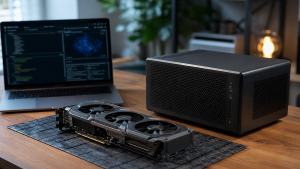
Running Local AI Alongside Media Services Without Fighting Your GPU
Run Ollama, Tdarr, Plex, Jellyfin, and Frigate on the same homelab more safely by understanding NVENC, NVDEC, CUDA, VRAM, scheduling, and monitoring.
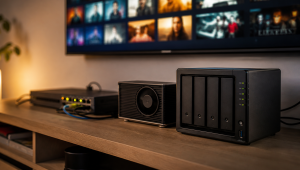
Plex vs Jellyfin Remote Streaming: The Tradeoffs That Matter at Home
Compare Plex and Jellyfin remote streaming by account friction, real client playback, network path, privacy, transcoding, and recovery burden.
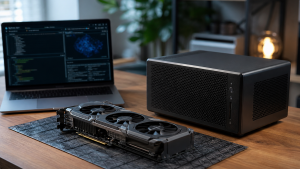
NVIDIA vs Intel Arc for Ollama and Local AI Workloads
Check exact NVIDIA and Intel Arc support, memory fit, drivers, and GPU placement before buying hardware for Ollama, llama.cpp, or LM Studio.
The Complete Plex, Arr, and Tdarr Homelab Media Automation Series
A full map of the Plex, Arr, Tdarr, storage, GPU, reverse-proxy, backup, and monitoring guides needed to run a lawful, recoverable media homelab.
How Seerr and Tracearr Fit Into a Plex, Arr, and Tdarr Homelab
A detailed architecture guide showing how Seerr request intake and Tracearr playback analytics complete a Plex, Radarr, Sonarr, Prowlarr, SABnzbd, and Tdarr homelab workflow.
Tracearr Setup Guide for Plex, Jellyfin, and Emby Monitoring
Deploy Tracearr with Docker, connect Plex, Jellyfin, or Emby, validate live sessions and alert-only rules, and preserve a recoverable monitoring history.
Plex in 2026: What Still Works Free
A practical guide to what Plex still does without Plex Pass, where Remote Watch Pass matters, and when free local streaming is enough.
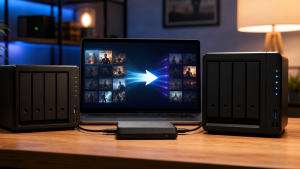
Move from Plex to Jellyfin Without Losing Your Rollback Path
Move from Plex to Jellyfin with a read-only parallel run, exact inventory steps, client acceptance checks, and restore and rollback gates before cutover.