
Firewall
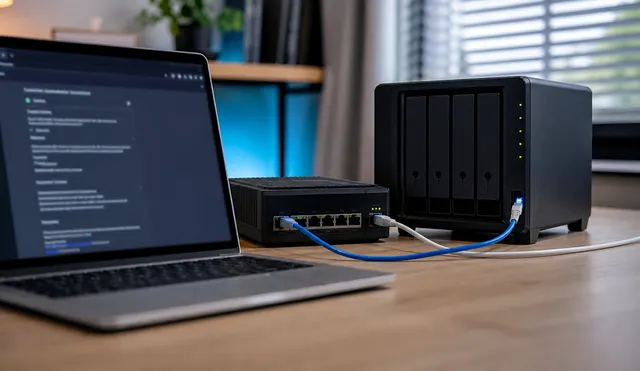
How to Audit Your Exposed Services
A practical exposure-audit guide for finding public ports, reverse proxies, tunnels, UPnP, IPv6 paths, vendor clouds, and forgotten services.
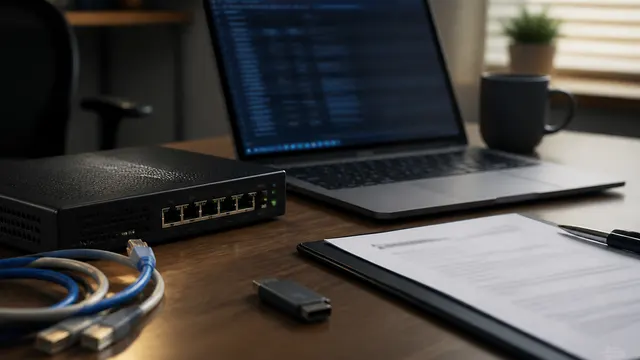
What to Do When a Device Hits CISA KEV
When a KEV-listed vulnerability may affect your device, confirm model, build, feature and exposure. Preserve useful evidence, contain applicable risk and follow supported remediation without assuming the device is already compromised.
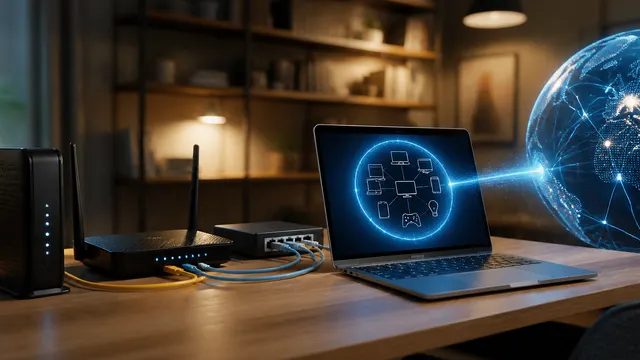
NAT vs Routing: What Happens When Traffic Leaves Your LAN
Routing decides where packets go. NAT rewrites addresses. Home networks usually use both, but they are not the same job.
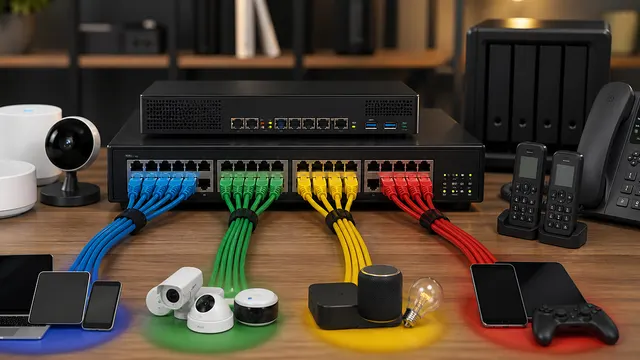
What Is the Right VLAN Layout for a Beginner Homelab?
Build a small set of explainable trust zones with explicit firewall, DHCP and DNS plans. Keep experimental workloads separate from infrastructure management when their access needs differ, and preserve a recovery path.
OPNsense, pfSense, UniFi, or Consumer Router: Which Should Run Your Homelab?
Compare router platforms by ISP requirements, policy, VPNs, enabled-feature workload and recovery. Evaluate exact models and releases rather than treating a dashboard, feature list or integrated management as proof of throughput or isolation.
What Is the Safest Way to Expose One Self-Hosted App Publicly?
Keep a self-hosted app private when possible. If public access is necessary, limit its permissions, preserve private administration and test unauthorized and direct-origin requests as well as the intended login.