
Tutorials
Google Drive Is Not a Backup: What It Protects, and What It Does Not
Google Drive is useful sync and sharing, but it is not a full recovery plan for deletion, ransomware, account loss, or bad sync events.

Wi-Fi 7 and Wi-Fi 8 Buyer Guide: What Is Real, What Is Marketing
Wi-Fi 7 can be worth it, but only if clients, backhaul, ports, and spectrum support it. Wi-Fi 8 is not a 2026 shopping requirement.
RAID, ZFS Snapshots, Sync, and Backup: What Each One Does Not Protect
Choose storage protection by failure mode: RAID for certain disk failures, snapshots for point-in-time state, sync for current changes and independent backups for recovery. Not every design needs all four.
The 3-2-1 Backup Rule in 2026: Keep It, But Add Two Checks
Plan three data copies across separate storage and failure boundaries, with an offsite copy, protected backup credentials, and clean-location restore tests before relying on job status.

Mesh Is Not Always the Answer: How to Fix Bad Wi-Fi the Right Way
Mesh can fix coverage, but it can also add latency, burn airtime, and hide the real problem. Diagnose first, then choose the right fix.
How Do You Back Up Docker Volumes and Databases Properly?
Back up Docker by backing up the data, configuration, and restore instructions, not the running container. For databases, use application-aware dumps or backup tools, then store those dumps with the volume backups.
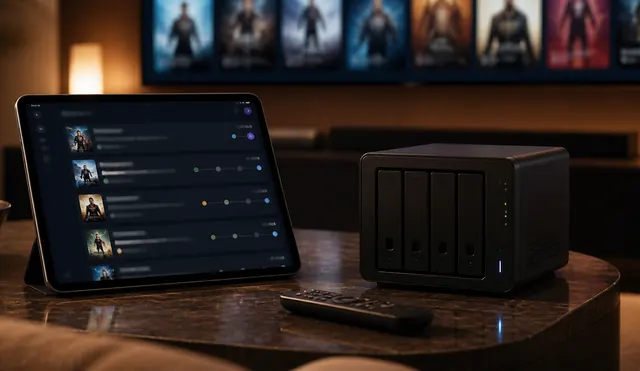
Seerr Setup for Plex or Jellyfin, Sonarr, and Radarr
Deploy Seerr with Docker, connect Plex or Jellyfin to Sonarr and Radarr, separate requester rights from administration, and verify a recoverable request path.
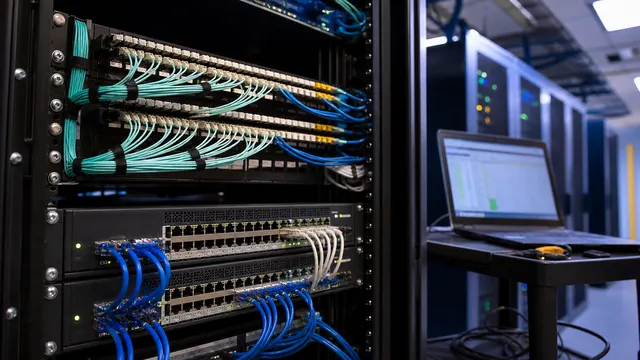
Cisco SD-WAN to Multicloud Fabric: A Migration Design
A phased migration from SD-WAN and native cloud networking to Cisco Multicloud Fabric should start with inventory, routing domains, security policy, pilot paths, and measurable experience.
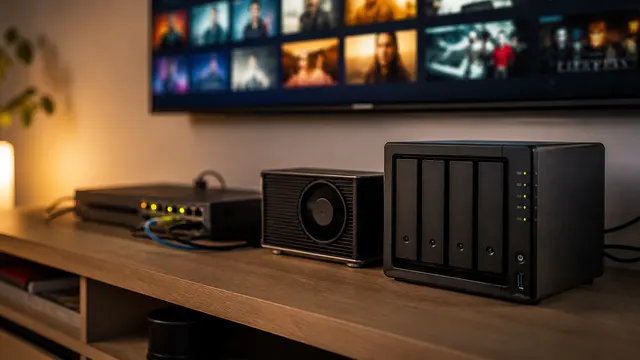
Monitoring and Health Checks for a Plex and Arr Homelab
Build useful health checks for a Plex and Arr homelab: storage mounts, imports, transcoding capacity, certificates, backups, queues, and daily reports.
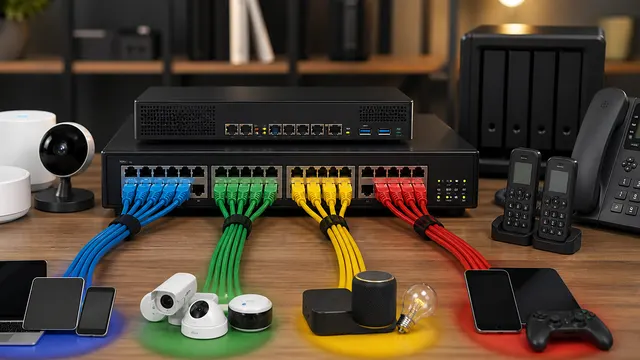
IoT Isolation for Homelabs: VLANs, Firewall Rules, and mDNS
Isolate IoT devices with default-deny VLAN policy and narrow service exceptions, then test controllers, casting, and denied access one device class at a time before expanding.