
Linux and Homelab

Restore From a Compromised Backup Without Reinfecting Production
Recover needed data from suspect backups in isolation, rebuild executable components from trusted sources, replace exposed credentials, and require application checks plus security review before reconnecting.

NAS Integrity for Home Labs: Scrubs, SMART, ECC, Checksums, and a Real Restore
A practical NAS integrity routine: ZFS scrubs, SMART tests, snapshots, checksums, ECC expectations, backup verification, and actual restore drills.
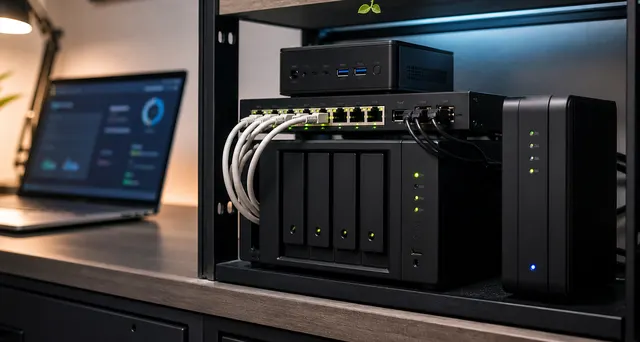
Build a Homelab Service Catalog Before You Forget Everything
A practical homelab service catalog guide for tracking what runs where, who uses it, how it is backed up, and how to recover it.
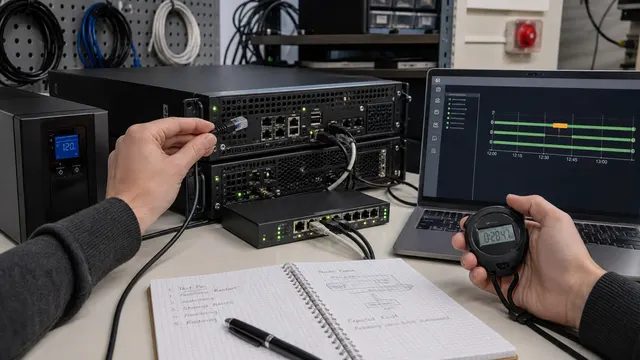
Linux Failure Injection Lab: Test systemd, Disk, DNS, and Recovery
Run bounded Linux failure-injection tests for systemd crashes, full and read-only filesystems, DNS and network loss, watchdogs, external alerts, rollback, and user-facing recovery without using production as the target.
Self-Hosted App Lifecycle: Updates, Rollbacks, and Release Notes
A self-hosted operations guide for updating containers safely, reading release notes, backing up state, automating carefully, and rolling back.

Immich V3 Migration Runbook
Prepare an Immich migration with consistent database and asset backups, supported vector storage and compatible clients. Test a restored copy before relying on container health, search availability or image-version changes.

Proxmox Networking Without Tears
A practical Proxmox networking guide for bridges, VLAN-aware ports, management IPs, bonds, NAT, SDN, and safe change validation.
Proxmox Storage for Normal People
A plain-English Proxmox storage guide explaining local, local-lvm, ZFS, NFS, iSCSI, Ceph, PBS, snapshots, and backup boundaries.

Unraid 7.3 Internal Boot: Move Off USB Without Losing Recovery
Plan Unraid internal boot around configuration protection, licensing and recovery, not just a successful first boot. Evaluate mirrored-device failure and retain the supported USB-first restoration path.
Proxmox 9.2 Dynamic Load Balancing: Useful HA Or Small-Lab Overkill?
Decide whether Proxmox load balancing addresses a measured capacity problem. Compare workload eligibility, spare resources and migration impact, keeping cluster-wide HA maintenance separate from balancing controls.